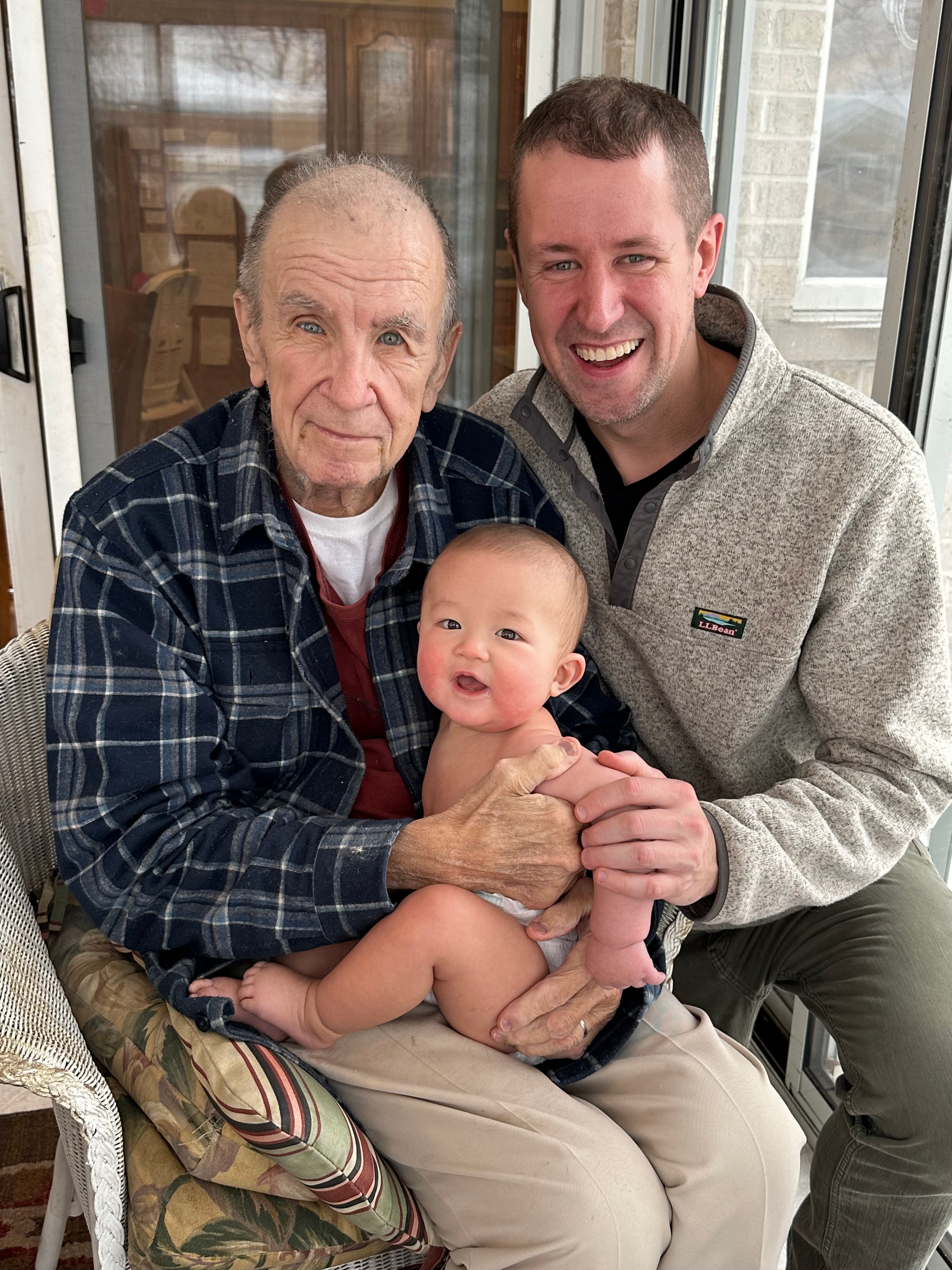
A Eulogy for Dan Distel
My father died of natural causes on January 6, 2026. He was 79. This is an expanded version of the eulogy I gave at his funeral.
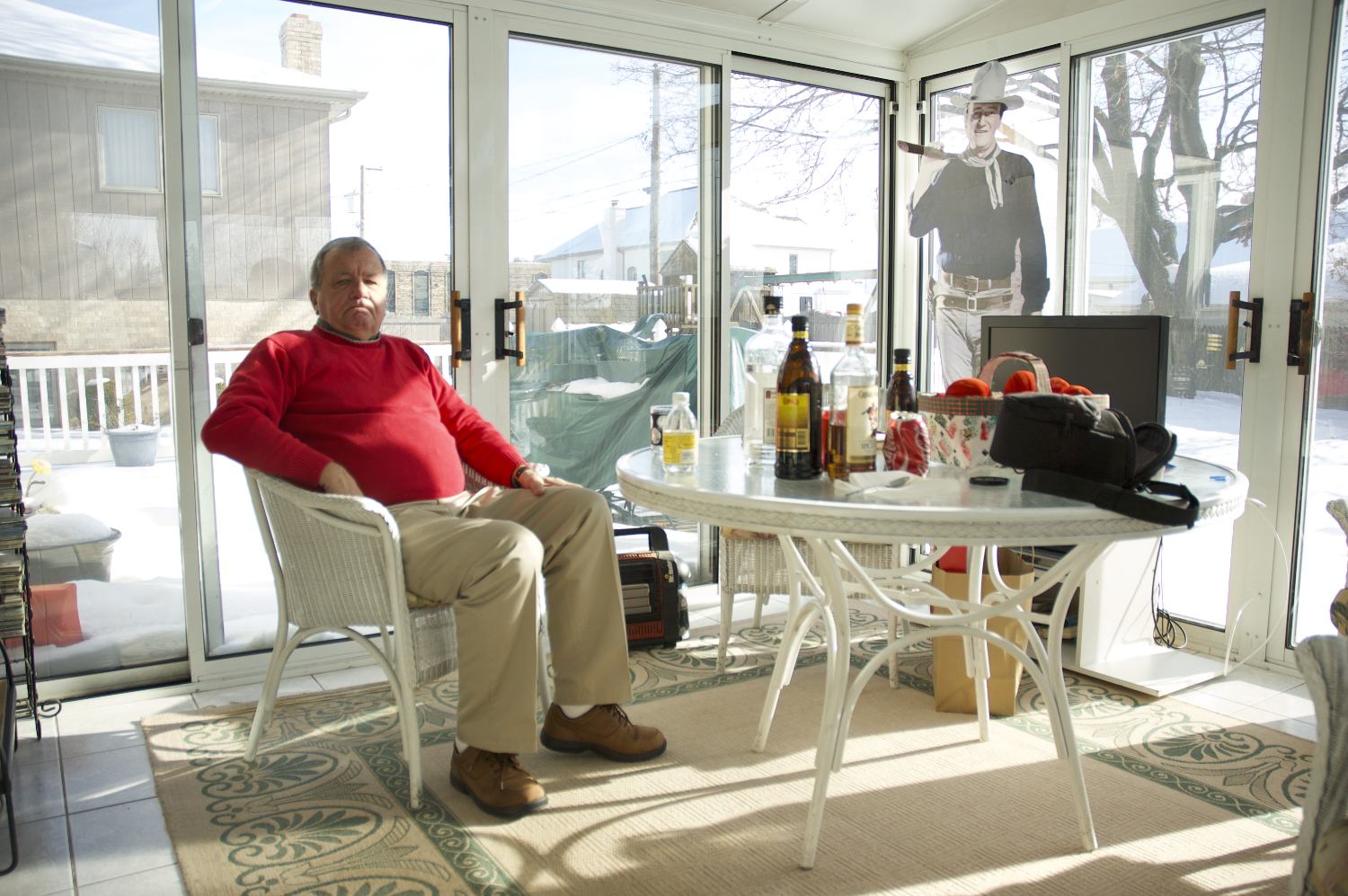
John Wayne was my father’s childhood hero. Tough. A man of few words who always did the right thing.
In many ways my father, Dan Distel, was John Wayne, just armed with a spreadsheet instead of a gun.
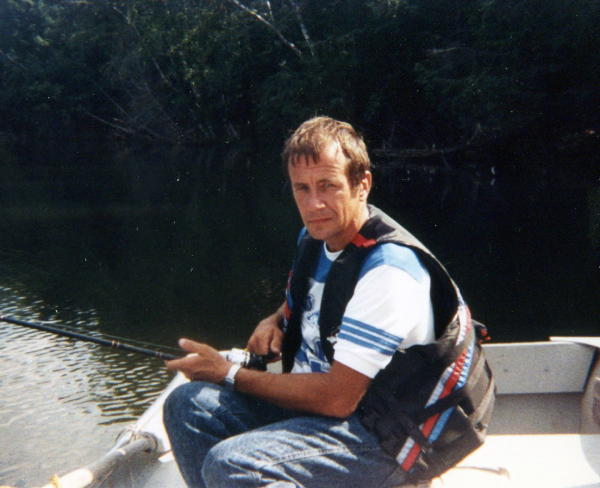
His life unfolded in three acts:
a boy who went to war
a businessman who climbed the corporate ladder
and a family patriarch whose quiet strength and granite character made him the center of gravity for everyone who knew him.
Born in 1946 and raised in Chicago’s Marquette Park, he attended Catholic schools in the 1960s before promptly flunking out of college at Navy Pier. His solution? Volunteer for the Vietnam draft.
Before the bus took him off to war his mother told him, “I’d rather see you dead before dishonored.” He was shocked, but it was a standard he’d hold himself to for the rest of his life.
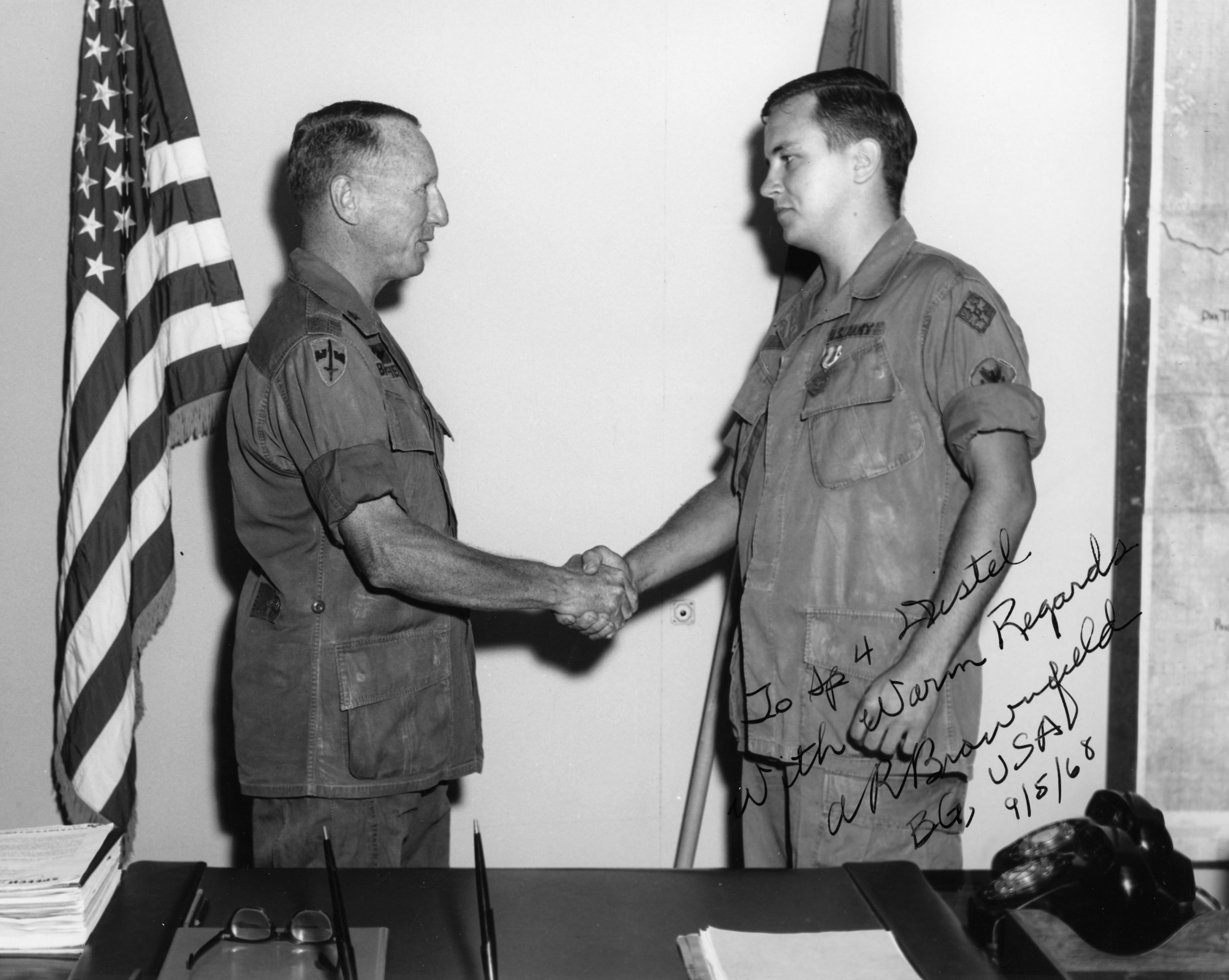
He spent 1967 in the 4th Infantry Division around Pleiku. I once asked him why he was awarded the Army Commendation Medal. He shrugged. “Eh. Doing a good job.” I asked under what circumstances he was awarded the Purple Heart. “I fell while running.” OK Dad but why were you running? He looked at me like I was crazy. “Ed, people were shooting at me.”
He survived. When he came home he began the second act of his life, the one the outside world knew best: business executive and corporate legend.
My father wasn’t born to success. The youngest of five he put himself through college on the GI bill, the only one in his family to go. His parents didn’t even finish high school.
He became a Certified Public Accountant and made his mark in the cable and wire industry as a grumpy, no-nonsense businessman who famously never smiled.
When he started earning a decent salary he told his mother, who complained “You’re earning more than the governor!”
“Ma,” he said, “I’m doing a better job.”
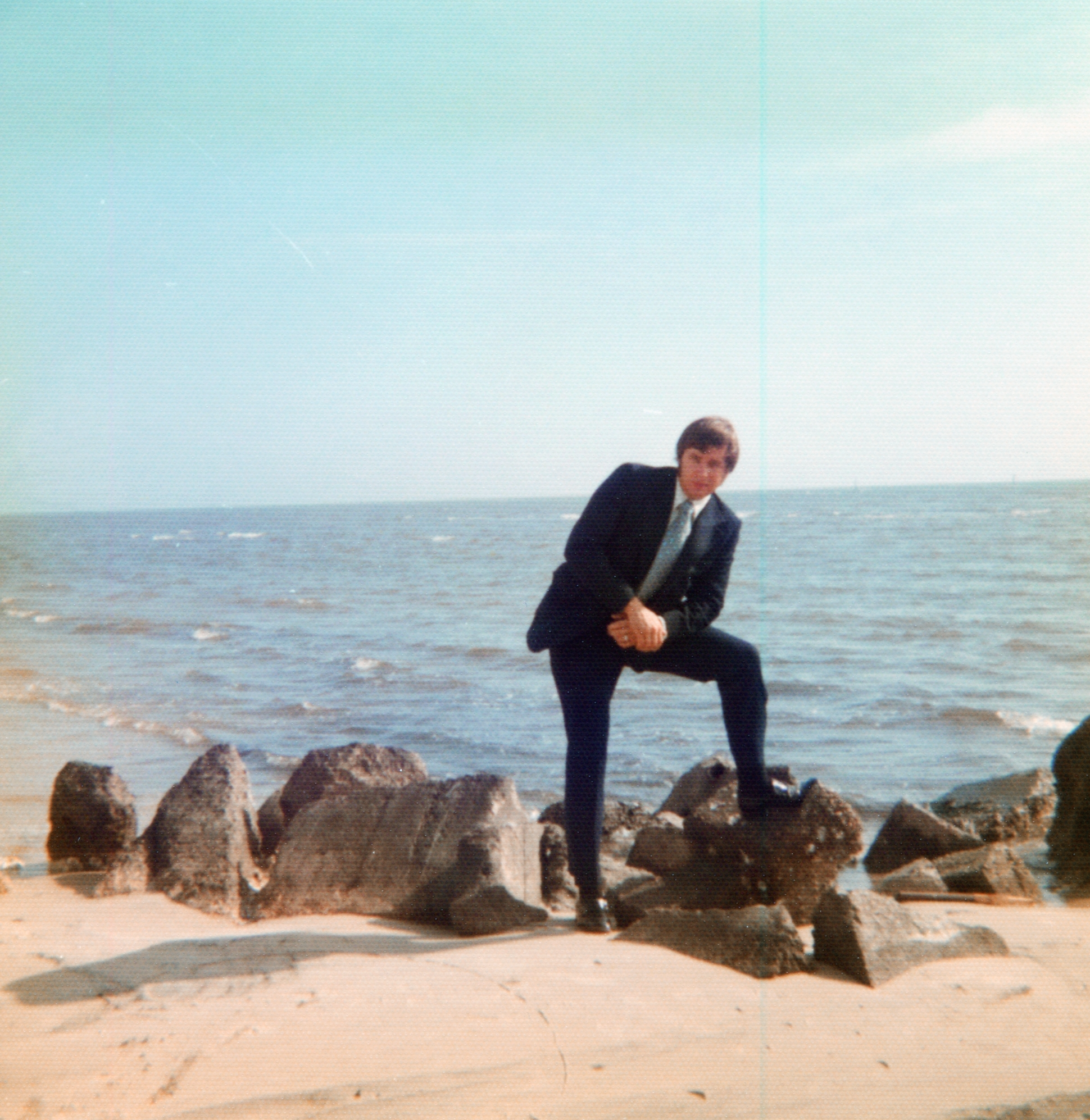
He didn’t believe in sick days, always telling people, “I haven’t taken a sick day since 1976!” During the Covid pandemic, if you wanted to rile him up all you had to do was ask what he thought of working from home.
Once one of his grandchildren expressed interest in a career in business. I counseled her, you’ll have to be ruthless to succeed.
“Your father worked in business,” my mother interjected, “and he’s not ruthless.”
“No,” answered my father. “I was ruthless.”
In the late 1990s, old colleagues hired him at a company called Anicom. When he got there he noticed the numbers didn’t add up. They were stealing, hoped he would too or just not notice. But my father didn’t miss details, and he could not be bought. He exposed over $24 million in fraud and most of the six people charged went to federal prison. The company collapsed and declared bankruptcy.
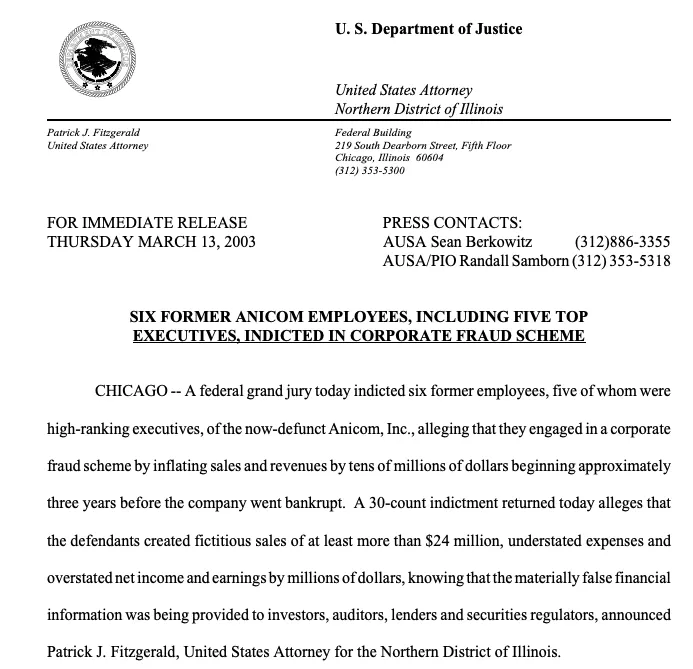
He could be intimidating. His colleagues saw him as Darth Vader in a suit. But those people didn’t see the third act to his life - family man.
In 1973 he married my mother Anna - a South Side math teacher and younger sister of my father’s high school English teacher, Donald Racky, possibly the only person who ever got my father to actually read a book.
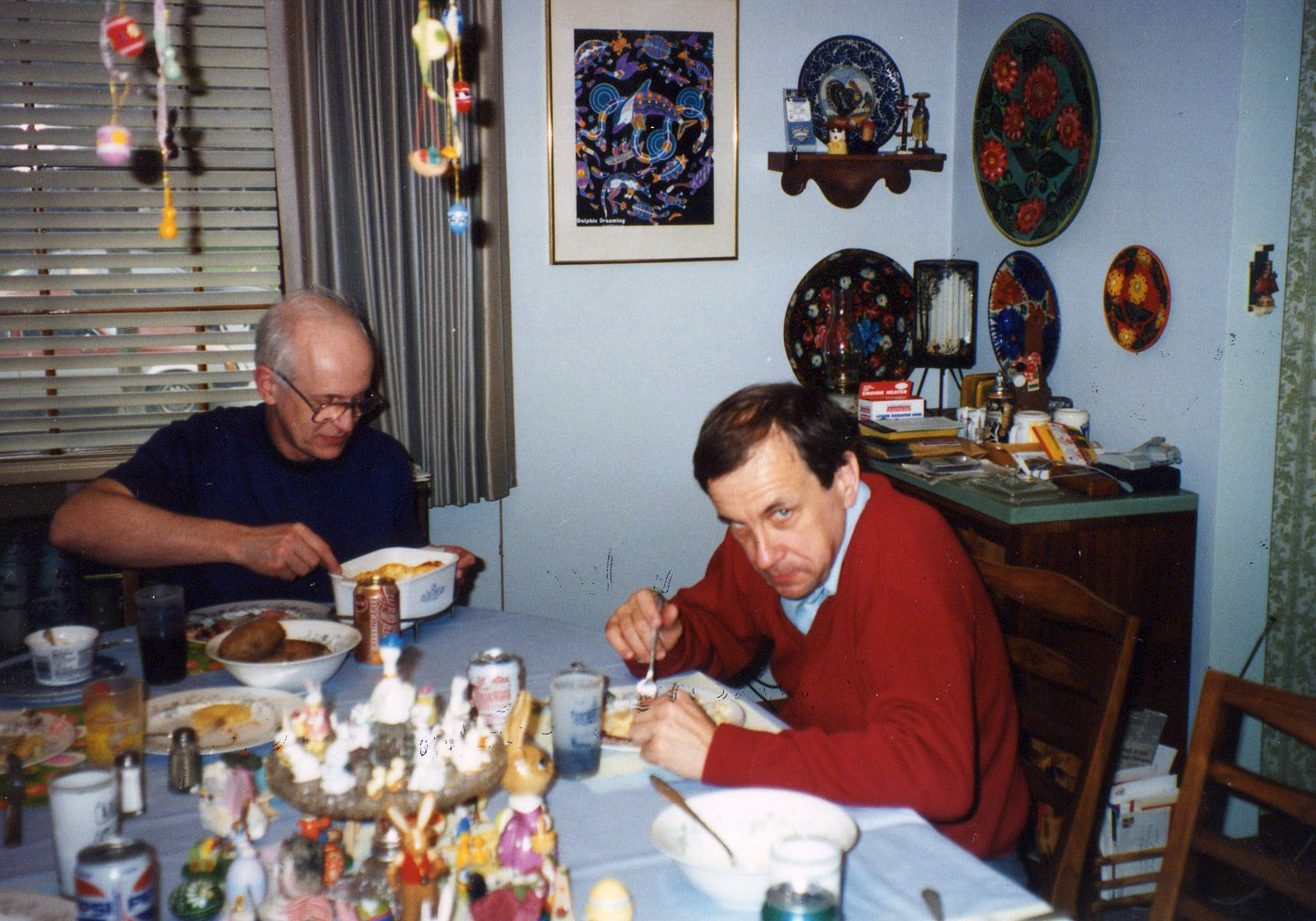
Together my parents had three kids: each exactly 2 years apart, all with birthdays in May. If you ask my mother how it worked out that way she’ll say, “Well, that’s what happens when you marry an accountant.”
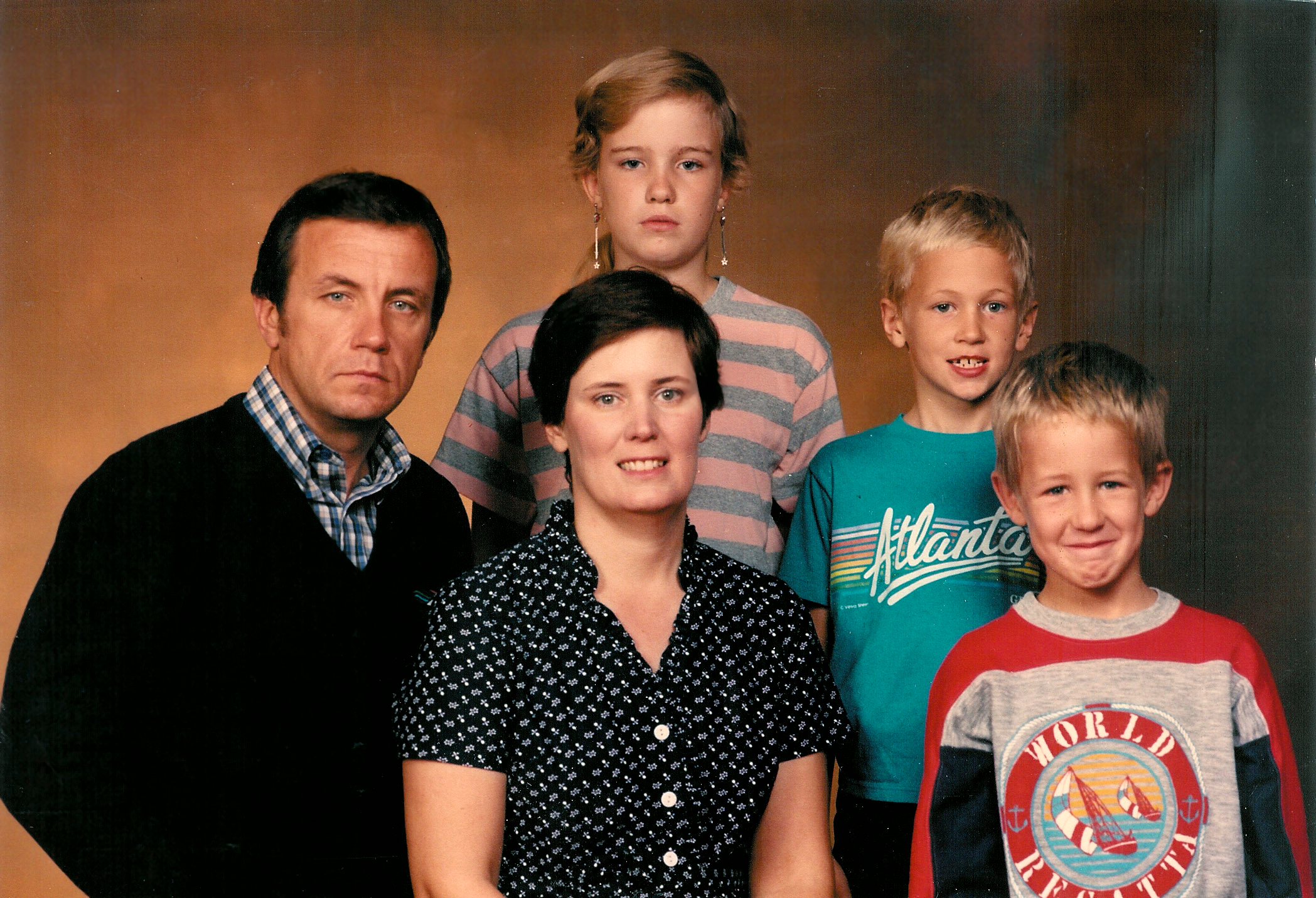
We’d go on family vacations and he’d prepare a three-ring binder. He’d carefully subdivide it into sections (hotel, flights, itinerary), labeling each individual tab. I used to tell my friends that I expected my birds and the bees talk to come in the form of a PowerPoint presentation.
He had high standards. He once told me, “I didn’t work my whole life so I could sleep in a tent.” In 1989 he came with me on a camping trip. Daddy long-leg spiders were everywhere and we had to sleep with our faces covered. When asked if he would do it again he said, “I’d rather go back to Vietnam.”
When watching the Superbowl for the 1985 Chicago Bears — the greatest football team of all time — my father was such a die-hard fan not only did he have the game on TV he kept a radio on in his lap so he could hear both broadcasts at the same time.
While the Bears would dominate the New England Patriots actually scored first. My mother pointed to the TV and laughed, “Isn’t this supposed to be some great team? And they’re losing? Ha ha ha!”
My father turned to her: “You can leave now with your life.”
My father wasn’t a guy who’d call you up and tell you how he was feeling. He never asked for help. But he’d always be there for you. He’d pay your bills, do your taxes and be an island of calm when the world became unglued. He survived Vietnam, corporate America, a wife and 3 kids — what did you do today hero, scroll through TikTok?
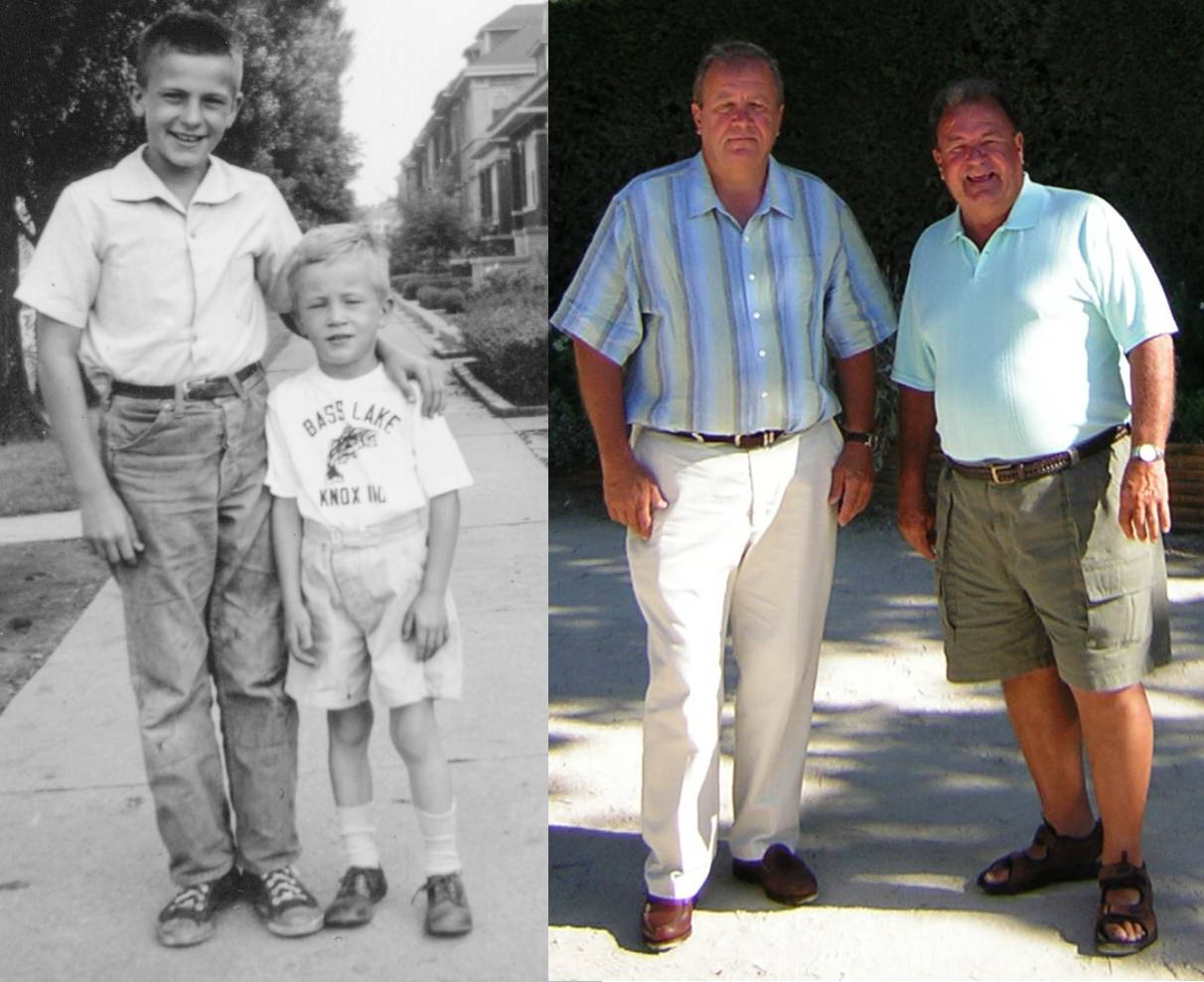
His best friend was his older brother John. Those two drank and laughed like idiots for over 70 years, telling the same stupid jokes over and over.
Would you like to hear some?
A horse walks into a bar. Bartender says, “Hey fella, why the long face?”
What would Illinois be without the town of Worth?
Worthless.
Why were the Native Americans here first?
They had reservations.
Don’t get me wrong, my father loved working but if you think about all the years Danny and Johnny spent telling bad jokes, golfing in Arkansas, on cross-country fishing trips or drinking too much at the Elks Club — the reality is he loved his family more.
Including my mother, who, despite being a 76 year-old cancer survivor in need of a knee replacement took tender loving care of my father 24 hours a day, seven days a week for the last few years of their 52-year marriage. That’s a kind of love most of us can only aspire to.
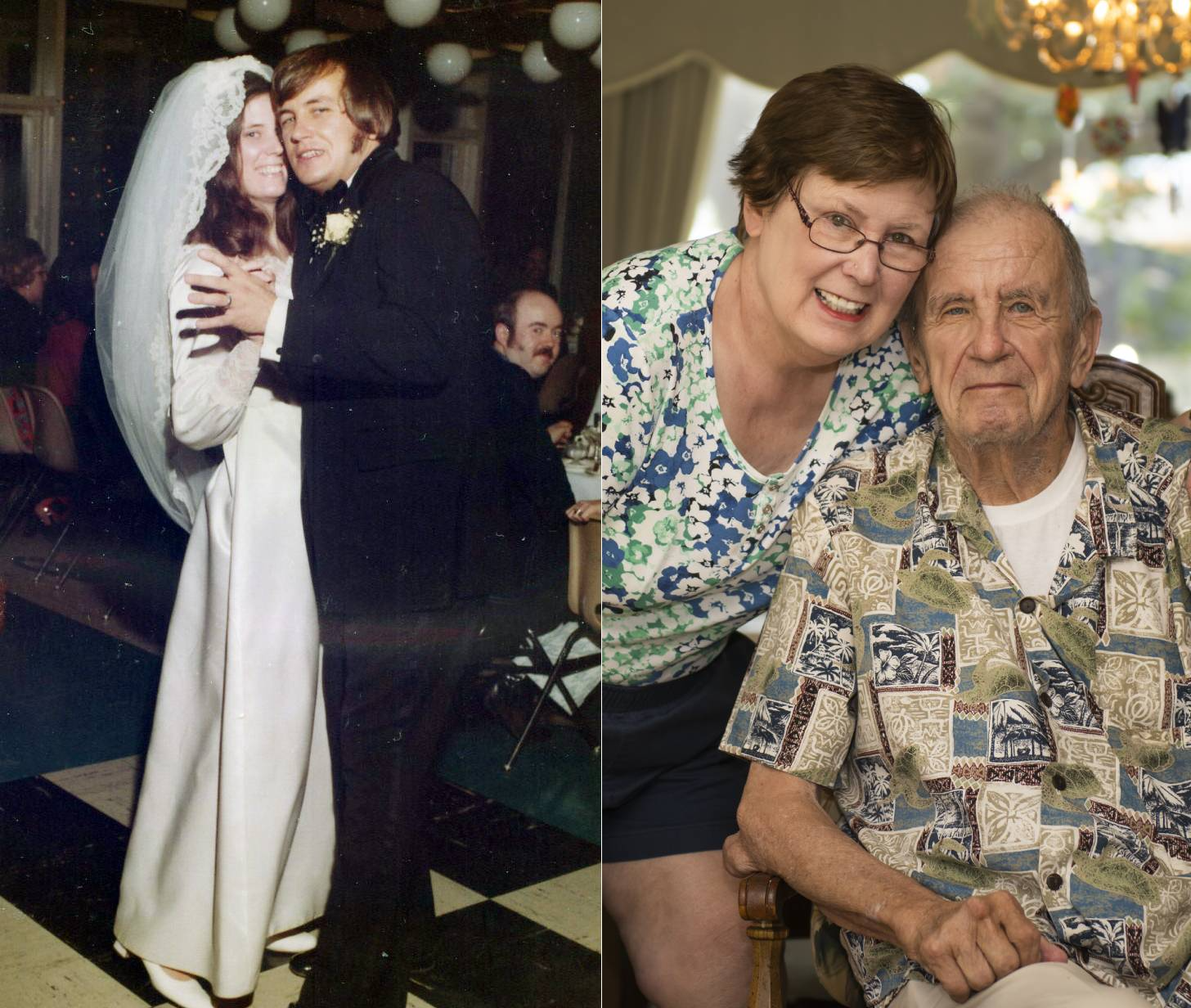
You never really know what kind of man you are until life tests you. My father was tested — by war, by work, by family. And ultimately, decline.
When he retired — the years when he should’ve been enjoying the fruits of his labor — his body slowly betrayed him, one organ at a time. But he never complained. He never whined. You might say he showed true grit.
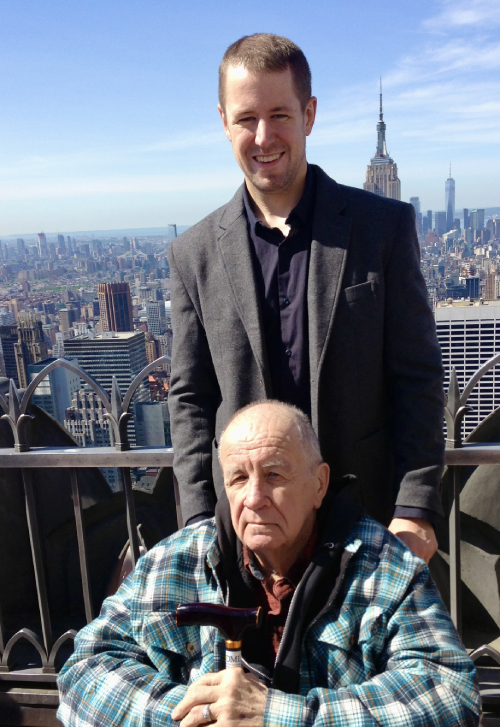
Mostly confined to a wheelchair he still made trips out to New York to visit me.
When Jake, his Westie of 18 years, could no longer climb the stairs, my father carried him up on his chair lift.
The man couldn’t walk, could barely eat but the iron will of the lion in winter never faltered. Even when he couldn’t carry himself he was still carrying others.
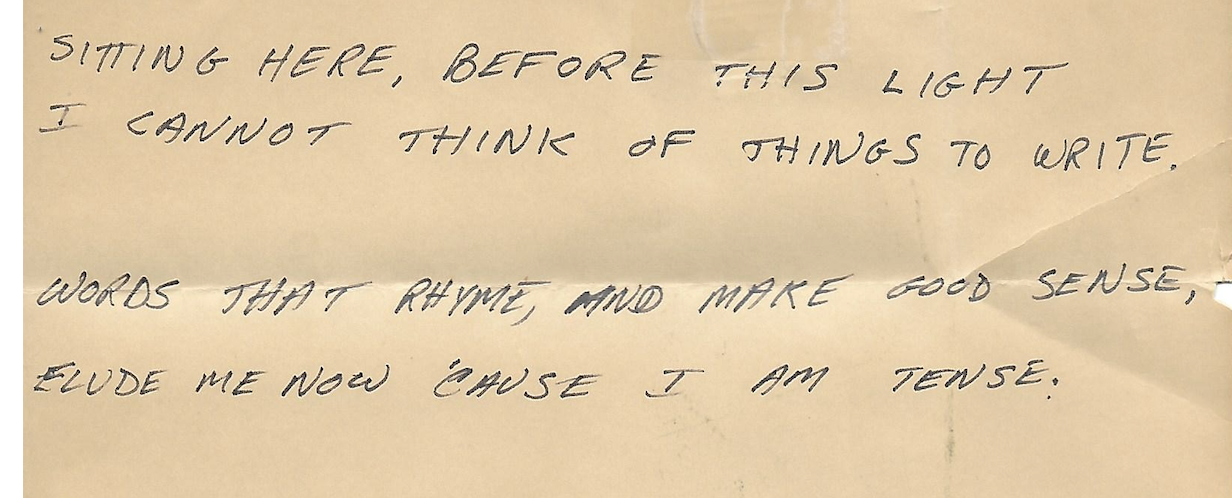
Toward the end he asked me to go through his safe. In there was a rhyming poem he’d handwritten so long ago the paper had yellowed with age. At his request I read it aloud to him at his bedside in the hospital. He thought for a minute, took a deep breath and said, “Stupid.”
TV will convince you that love is about grand gestures. Proposing in front of the Eiffel Tower. Sending bouquets of roses or buying a big diamond ring. True love, however, is devotion. It’s showing up every day. It’s sacrifice, duty, repetition. My father didn’t take a single sick day in 40 years not because it made him a better executive, but because he believed hard work would provide a better life for his family. A family he fought to stay with, right to the end.
John Wayne once said, “Courage is being scared to death but saddling up anyway.”
My father wasn’t fearless. But when he was tested — when bullets were flying in the jungle, when executives hoped he’d look the other way, when his family needed him or when staring down death in that hospital bed — Dan Distel always saddled up. His body may have failed him but his courage never did.
I’d like to leave you with some words by my father, one of my favorite text messages he sent me years ago.
“Tonight I came home and all I wanted was a drink. Your mother was screaming, your nieces were running around like madwomen and your sister was playing video games on my computer. Ed, when I die I’m going straight to heaven.”
Dad, I never had any doubt.